
Revolutionary War
Connecticut and the American Revolution
The colony of Connecticut played a significant role in the American Revolutionary War from 1775 to 1783. In the years leading up to the conflict, the British Parliament imposed a series of taxes on the thirteen colonies. These measures were intended to help pay the costs of defending British interests in North America following the French and Indian War.
One of the most controversial laws was the Stamp Act of 1765, which required an official stamp on legal documents, newspapers, pamphlets, and even playing cards. Colonists objected to these taxes because they had no representation in Parliament. The cry of “no taxation without representation” reflected growing frustration across the colonies.
Resistance intensified. In December 1773, colonists in Boston protested the Tea Act by dumping British tea into Boston Harbor in what became known as the Boston Tea Party. In response, Britain sent additional troops to restore order, further escalating tensions.
On April 19, 1775, fighting broke out between colonial militia and British troops at Lexington and Concord in Massachusetts. Within days, Connecticut’s leadership acted. On April 26, 1775, Governor Jonathan Trumbull and the Connecticut General Assembly authorized the creation of six regiments, each composed of ten companies, to support the colonial cause.
Three regiments from eastern and central Connecticut were sent toward Boston. Two regiments from southern Connecticut marched to New York City. One regiment from northwestern Connecticut was dispatched to Fort Ticonderoga. On June 14, 1775, these forces joined the newly organized Continental Army under General George Washington. It is estimated that approximately one fifth of Connecticut’s male population served during the war.
Connecticut’s contributions extended far beyond manpower. The colony became known as “The Provision State” for its vital role in supplying the Continental Army. Farms and workshops produced food, weapons, ammunition, clothing, and other essential materials. The colony even placed restrictions on certain agricultural exports to ensure adequate supplies for the army. Despite the strain of war, Connecticut’s farms and factories remained active, sustaining both local communities and the broader revolutionary effort.
Privateering also played a part in the war at sea. Letters of marque, issued by the government, authorized private vessels to capture enemy ships. Connecticut shipyards constructed several naval vessels during the war, including the Trumbull in 1776 and the Bourbon and Confederacy in 1777, both commissioned by Congress.
After the British evacuated Boston in March 1776, their focus shifted to New York. Control of New York would provide greater access to Connecticut and potentially cut off one of the Continental Army’s primary sources of supplies. General Washington anticipated this move and stationed roughly 19,000 troops across Manhattan and Long Island.
In August 1776, British General William Howe led a large force through Jamaica Pass on Long Island, outflanking American positions. Hessian troops under General Leopold Philip von Heister also attacked American forces. On August 27, 1776, the Americans were defeated at the Battle of Long Island, and Washington ultimately withdrew his forces.
With British forces occupying New York, Connecticut became increasingly vulnerable. In April 1777, Major General William Tryon led a British raid on Danbury, destroying Continental Army supplies. In 1779, British and Hessian troops attacked coastal Connecticut towns, including New Haven, Fairfield, and Norwalk, burning buildings and damaging infrastructure. These raids brought the war directly to Connecticut’s communities.
This broader history sets the stage for Naugatuck’s own Revolutionary story, including the 1780 kidnapping of Chauncey Judd by British sympathizers. His experience reflects how even smaller inland communities were deeply affected by the conflict that reshaped the nation.
During the American Revolution, the land that is now Naugatuck was part of Waterbury and Salem Parish. The men listed here lived, worked, worshiped, and raised families in this community before serving in Connecticut militia units and Continental forces.
Some fought in major engagements such as Long Island and White Plains. Others answered local alarm calls, served in supply committees, guarded coastal towns, or supported the war effort through provisions and militia service. Together, they represent the commitment of this community to the cause of independence.
Many are buried in Hillside Cemetery and Oak Street Cemetery. Their names remain part of the landscape of Naugatuck today.
Anthony Smith
Ansel Spencer
Abraham Hotchkiss
Amos Culver
Culpepper Hoadley
Deacon Elisha Stevens
Ebenezer Hoadley
William Hoadley
Elihu Spencer
Elihue Benham
Gideon Hickox
Reuben Heine
Hezekiah Hine Jr.
Hezekiah Hine Sr.
Ira Beebe
Israel Terrell
James Hickox
Jared Terrell
Josiah Terrell
John Lewis Jr. (1740 - 1812)
John Lewis Sr. (1711 - 1799)
Jonah Woodruff
Jude Hoadley
Reuben Beebe
Reuben Williams
Samuel Guernsey
Samuel Hickox
Samuel Porter Jr. (1755 - 1837)
Samuel Porter Sr. (1723 - 1793)
Samuel Smith Lewis
Samuel Walter Lewis
Seldon Spencer
Sergt. Walter Wooster
Stephen Warner
Roswell Judd
Walter Judd
Zadock Curtiss
Online Research Library
Request for Proposal Replacement Plaque for Veteran Memorial in Hillside Cemetery
-
![]()
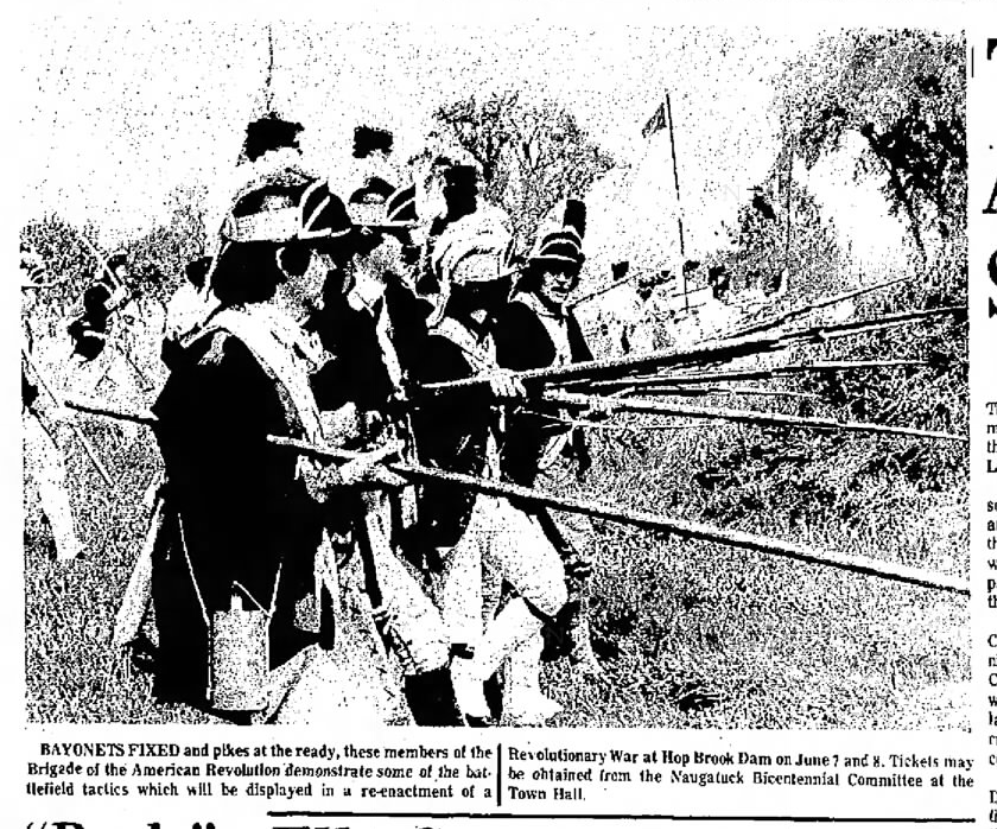
Naugatuck Daily News - Mon, May 12, 1975
-
![]()
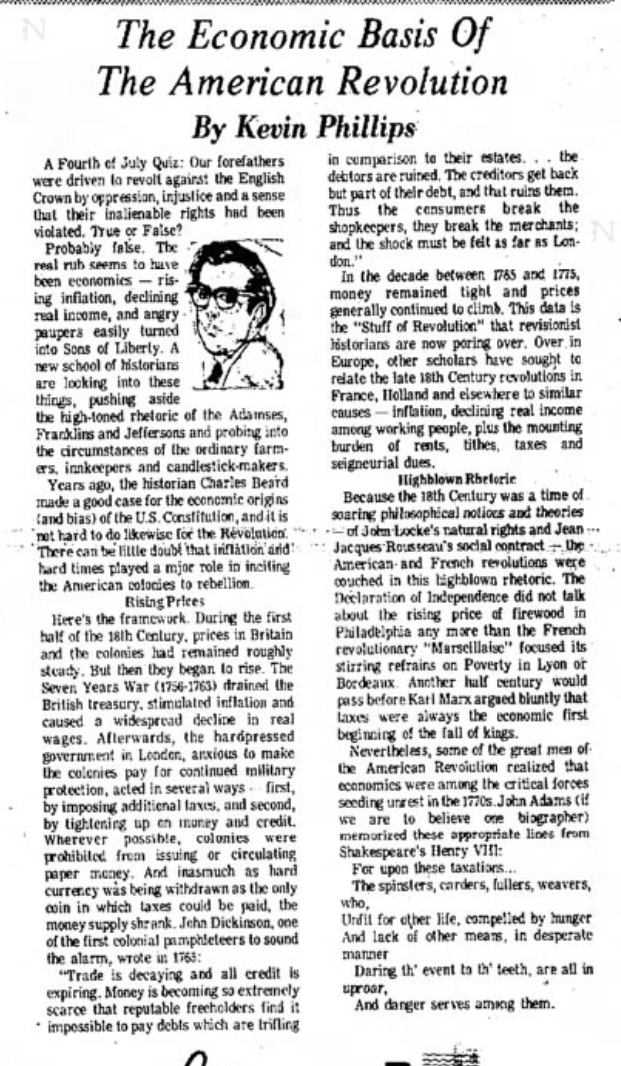
Naugatuck Daily News - Mon, Jul 07, 1975
Online Research Library