People of Naugatuck
Community Contribution
You may never have wondered who invented the nail, or more importantly, the nail head. What is a nail without a head? Well, for thousands of years, since their invention in Ancient Egypt, nails were painstakingly crafted by hand, one at a time, making them extremely valuable. They were typically flat, and often tapered toward the point.
"Archaeologists have found hand made bronze nails from as far back as 3000 BC. The Romans made many of their nails from iron, which was harder, but many ancient iron nails have rusted away since. The hand-forged nail changed little until well into the 1700's."
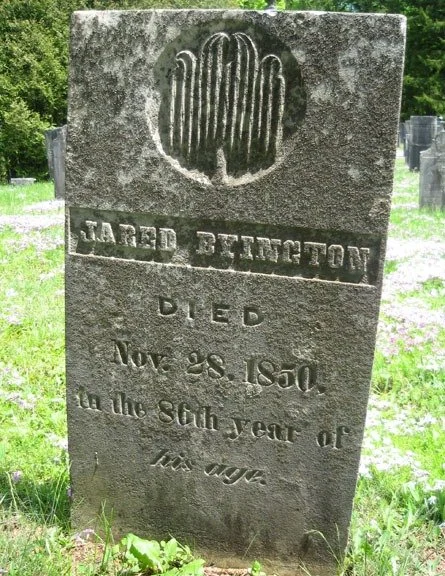
The first man in what would someday be called Naugatuck to receive a patent from the United States was Jared Byington. In 1790, Jared had arguably become Salem’s first manufacturer, having succeeded in mass producing nails in sufficient quantities to sell them as a marketed product.
"Soldier in the Revolutionary War. Partner in a mill to manufacture nails. Was issued a patent for making nails (15 January 1796), second patent granted to a citizen of Connecticut. Issued a second patent for making nail heads (23 December 1796). 20 years later issued a patent for a steel pitchfork. One authority says he invented the steel pitchfork. The first master of the Salem Society, an early lodge, the Masons of Naugatuck."
Byington's mechanical skills enabled him to create an industry which far surpassed in volume of business all other fledgling shops in Salem. His enterprise became profitable not only for himself but to the community as a whole. By the end of the century he employed six men in his foundry, on the job of nail-heading – a large number considering the early days of Salem's industrial growth.
"Jared Byington and his sons, James and Isaac, took over the factory and made hammered nails. The first trip hammer in that section of Connecticut and the patented nail cutter were manufactured here. The nail cutter was used for drawing and cutting the iron for the manufacture of nails. A foundry was built across the road where a half dozen men were employed to head the nails."
Byington used his nail-cutting machine and a later patented device to mass produce nails featuring a head that made them superior to any that had been crafted before.
"For thousands of years, the traditional hand-forged nail was square and tapered, with a hammered head attached by the blacksmith. One nail at a time was heated and laboriously pounded out to shape with a hammer on an anvil. Nails were fairly valuable, and ruined buildings were often burned and nails were scavenged from the ashes to reuse."
So as you hang the stockings by the chimney with care, remember Jared on the Fulling Mill Brook in old Salem, and how his inventiveness revolutionized a design that had been unchanged for thousands of years. Yet another "first" from the little town of Naugatuck that made a global impact still felt to this very day.
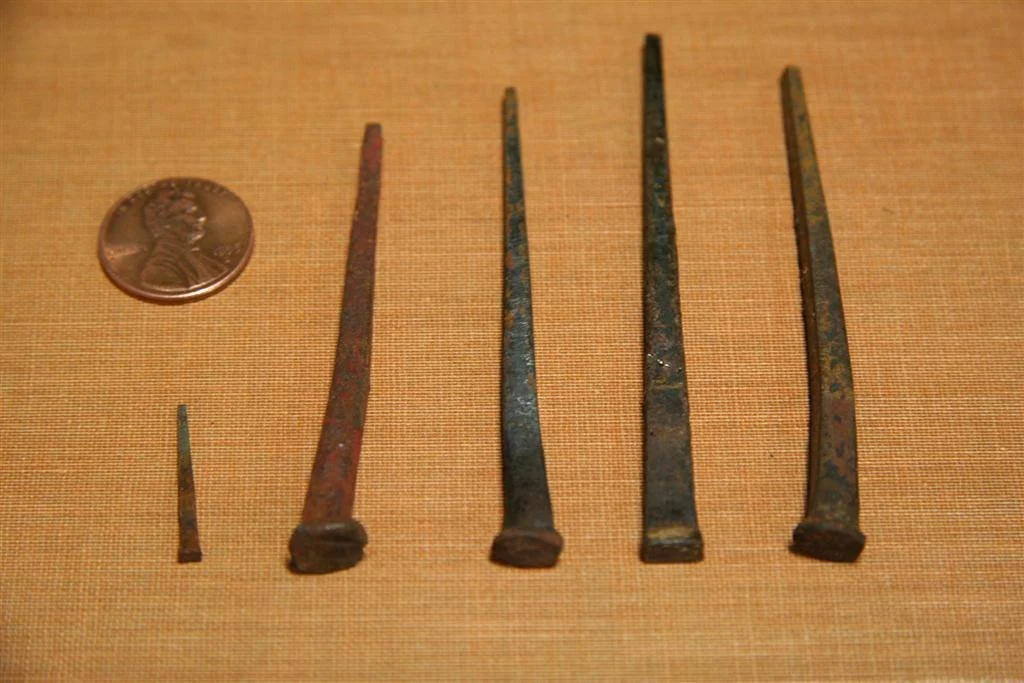
Flat cut nails
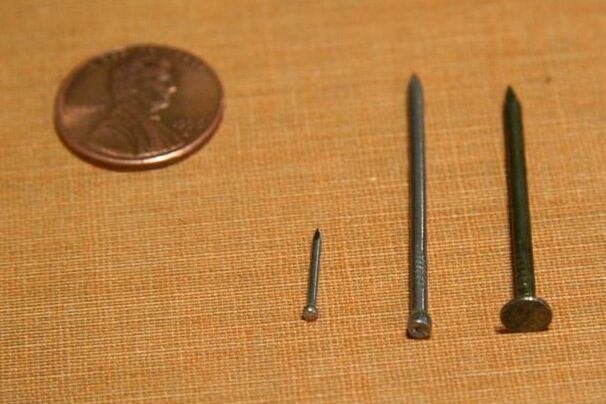
Modern nails